How quickly can you respond to a hot water emergency?
We prioritize hot water emergencies with same-day service across Sydney when you call before 3pm. For after-hours emergencies, we aim to have a qualified electrician at your property within 2-4 hours. Emergency callouts include fast diagnosis and we carry common parts like elements and thermostats to resolve most issues in a single visit.
Do I need an electrician or a plumber for hot water problems?
It depends on your system type and the problem. Electric hot water systems (the most common type) require an electrician for heating elements, thermostats, wiring, and electrical connections. Plumbers handle the tank itself, water pipes, pressure relief valves, and tempering valves. Gas hot water systems primarily need plumbers. If you're unsure, call us - we'll point you in the right direction and can coordinate with plumbing partners if needed.
How do I know what size hot water system I need?
As a rough guide: 2 people need 125-160L, 3-4 people need 250-315L, and 5+ people need 315-400L. However, usage patterns matter more than household size. If you run out of hot water regularly or you're installing high-flow showerheads, size up. If you rarely use all your hot water, you might be paying to heat water you don't use. We provide honest sizing recommendations during the quote - there's no benefit to us in over-sizing your system.
What's the difference between electric and heat pump hot water systems?
Electric storage systems use a heating element (like a big kettle) to heat water in an insulated tank. They're simple, reliable, and cost-effective to install. Heat pump systems work like a reverse air conditioner, extracting heat from the air to warm the water - using 60-70% less electricity. Heat pumps cost more upfront but save significantly on running costs over their lifespan. We can run the numbers based on your usage to show the payback period.
How much does hot water system installation cost?
Electrical installation work typically ranges from $500-$1,200 depending on complexity. This covers the circuit, isolation switch, connection, and testing - but not the hot water system itself. Simple like-for-like replacements cost less, while new installations or switchboard upgrades add to the cost. We provide detailed quotes so you know exactly what's included. Emergency element replacements typically cost $350-$600 including parts and callout.
Can you install off-peak or economy tariff meters?
Yes, we install and connect off-peak (controlled load) circuits for hot water systems. This allows your system to heat water during cheaper off-peak electricity periods (usually 11pm-7am), significantly reducing running costs. Installation requires a dedicated circuit and sometimes a second meter. We coordinate with your energy provider to arrange the tariff change. Off-peak operation works best with properly sized storage systems that can hold enough hot water for your daily needs.
How long do electric hot water systems last?
Electric storage systems typically last 10-15 years with proper maintenance. Heating elements usually need replacement every 5-8 years - this is normal wear and tear, not system failure. The tank itself may last longer, but once you're seeing rust, leaks, or requiring frequent repairs, replacement becomes more cost-effective than continued repairs. Systems in areas with hard water or corrosive conditions may have shorter lifespans.
Do you work weekends and public holidays?
Yes, we're available 7 days a week including public holidays for emergency hot water repairs. Regular business hours are Monday-Friday 7am-5pm and Saturday-Sunday 8am-2pm. Emergency callouts outside these hours carry an additional callout fee, but when you need hot water restored urgently, we're here to help.
Will I need a switchboard upgrade for a new hot water system?
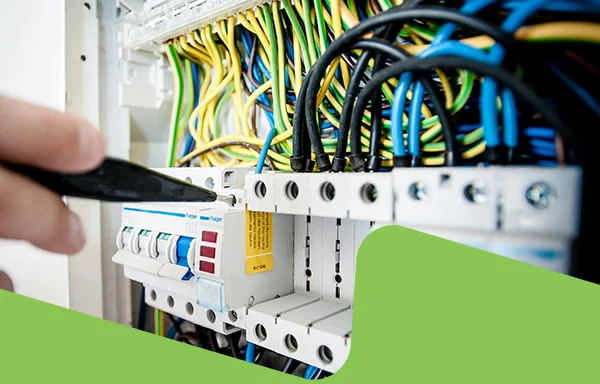
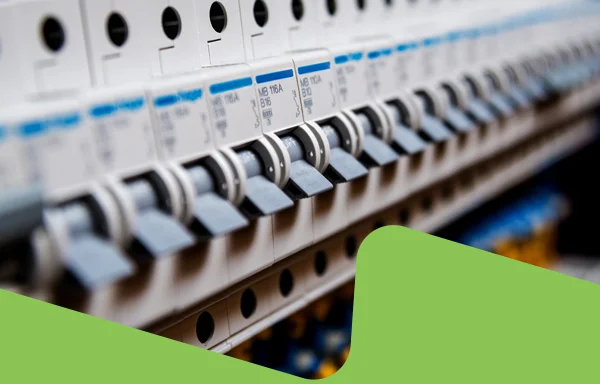
About 25-30% of installations require some switchboard work. Modern hot water systems draw significant power and require dedicated circuits with appropriate protection. If your switchboard is older or already near capacity, we may need to add a new circuit breaker or upgrade capacity. We assess this during the quote stage and explain exactly what's required and why. While it adds initial cost, proper electrical protection prevents future problems and keeps your system warranty valid.
What happens if my hot water system keeps tripping the safety switch?
A safety switch (RCD) tripping indicates an earth leakage fault - electricity is escaping where it shouldn't. This is a safety mechanism protecting you from electric shock. Common causes include faulty heating element with breakdown in insulation, water leaking onto electrical connections, deteriorated wiring, or failed thermostat. This requires urgent attention from a licensed electrician. Don't keep resetting the safety switch - call us for diagnosis and repair. We carry diagnostic equipment to quickly identify the fault location.